Discovering high radon levels in a home you’re considering purchasing, or even one you already live in, can be unsettling. It’s natural to immediately wonder, is it safe to live in a home with radon, and should I walk away? The reassuring answer for many homebuyers and homeowners is that high radon levels, while serious, are almost always a solvable problem through effective mitigation. Rather than an automatic deal-breaker, it’s an issue that, when properly addressed, allows you to create a clean, safe environment for the people in your building.
Understanding Radon: An Invisible Threat, A Solvable Problem
Radon is a naturally occurring radioactive gas that comes from the breakdown of uranium in soil and rock. It’s invisible, odorless, and tasteless, making it impossible to detect without specialized testing. When radon gas enters a building through cracks in the foundation or other openings, it can accumulate to unhealthy levels. Prolonged exposure to elevated radon concentrations is a leading cause of lung cancer for non-smokers. This serious health risk is precisely why understanding and addressing radon is so critical.
While the health implications are undeniable, it’s crucial to remember that this isn’t an insurmountable challenge. Just as you wouldn’t walk away from a home with a leaky roof or outdated plumbing, high radon is a structural issue that can be effectively remedied. The key is understanding how mitigation works and what to expect.
How Radon Enters Your Home
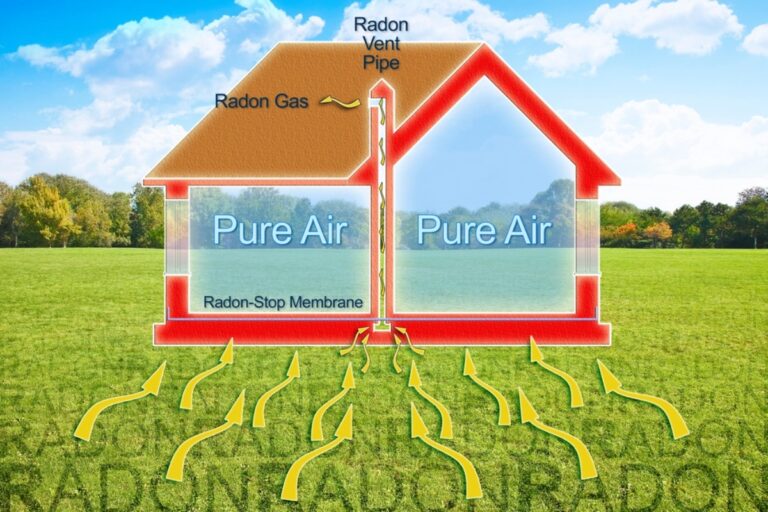
Radon enters your home through various pathways, including:
- Cracks in solid foundations: Even microscopic cracks can provide entry points.
- Construction joints: Where different building materials meet.
- Gaps in suspended floors: Openings around pipes or wires.
- Cavities inside walls: Unsealed areas can act as conduits.
- Pores in concrete blocks: Concrete is naturally porous.
- Sump pumps and floor drains: Openings directly to the soil.
The soil beneath and around your home is the primary source. The difference in air pressure between your home’s interior and the soil often creates a slight vacuum, drawing radon gas into the lowest levels of your building.
Radon Mitigation: A Proven Path to a Safe Home
The good news is that radon mitigation systems are highly effective at reducing indoor radon levels. These aren’t temporary fixes; they are engineered solutions designed to permanently address the problem. The most common and effective method is called Sub-Slab Depressurization (SSD).
How Sub-Slab Depressurization Works
An SSD system works by creating a negative pressure field beneath your home’s foundation that is greater than the negative pressure inside your home. Here’s a simplified breakdown:
- Suction Point: A small hole is drilled through the concrete slab in the lowest level of your home.
- Piping System: A PVC pipe is inserted into this hole, extending down into the gravel or soil beneath the slab, and then upwards, typically through an unconditioned space like a garage or attic, or along the exterior of the house.
- Radon Fan: An in-line fan, specifically designed for radon mitigation, is installed in the piping system, usually in the attic or outside the living space. This fan continuously draws radon gas from beneath the slab.
- Ventilation: The fan exhausts the collected radon gas safely above the roofline, where it dissipates harmlessly into the outdoor air.
This continuous suction prevents radon from entering your home in the first place, ensuring that the air inside your living spaces remains clean and safe. When properly designed and installed by experienced professionals, these systems can reduce radon levels by up to 99%.
The Effectiveness of Mitigation Systems
Industry standards, such as those set by ANSI/AARST, guide the design and installation of these systems to ensure maximum effectiveness and safety. Professionals tailor each system to the unique characteristics of your home, considering factors like foundation type, soil conditions, and radon entry points. This bespoke approach ensures that the system is not a one-size-fits-all solution, but one specifically designed for your unique situation, providing lasting protection for your occupants.
After installation, post-mitigation testing is always recommended to confirm that radon levels have been successfully reduced to acceptable standards, typically below the EPA action level of 4.0 pCi/L, and ideally much lower.
So, Should You Walk Away? When to Stay and When to Reconsider
Given the effectiveness of mitigation, the answer to “should I walk away?” is often “no,” especially if you love the home otherwise.
Reasons to Stay and Mitigate
- The Home Meets All Your Other Needs: If the location, size, layout, and price are perfect, radon shouldn’t be the sole deal-breaker.
- Mitigation is Highly Effective: As discussed, a properly installed system will make the home safe.
- Cost-Effectiveness: The cost of a radon mitigation system is generally a small fraction of the home’s purchase price, especially compared to the financial and emotional cost of finding another comparable home.
- Increased Home Value: A mitigated home often comes with a transferable warranty for the system, and can be seen as an advantage by future buyers, demonstrating that the issue has been proactively addressed.
- Peace of Mind: Knowing your home is actively protected from radon provides invaluable peace of mind for you and your family.
When Reconsidering Might Be Warranted
While rare, there are limited scenarios where walking away might be a more practical choice:
- Unusual Structural Challenges: In extremely rare cases, a home’s foundation or construction might present unique challenges that make effective mitigation excessively complex or cost-prohibitive. An experienced professional can assess these situations.
- Unwillingness to Address: If the seller is unwilling to pay for mitigation, or you are unable to negotiate covering the cost, and you are not comfortable purchasing a home with active high radon levels, then reconsideration might be necessary.
- Personal Comfort Level: Ultimately, the decision is personal. If, despite understanding the effectiveness of mitigation, you still feel uncomfortable or anxious about the home, it might not be the right fit for you.
Taking the Next Step: Your Trusted Partner in Safety
When faced with high radon levels, the most important step is to engage knowledgeable and experienced professionals. Look for certified radon mitigation specialists who adhere to national standards like ANSI/AARST and understand state-specific requirements. These experts can accurately diagnose the situation, design a tailored solution, and ensure the system is installed correctly for optimal performance.
Your health, and the health of the people in your building, is paramount. By understanding that high radon is a treatable condition, you can make an informed decision that protects your investment and, most importantly, creates a clean, safe environment for years to come.