Understanding how a radon test works is crucial for protecting the health of people in your buildings. Simply put, a radon test measures the concentration of radon gas, an invisible, odorless, and radioactive gas, in the air. The process involves placing a specialized device in a specific location within a building for a set period, which then detects and quantifies the radon present. The duration and type of device used significantly impact the accuracy and applicability of the results, helping you determine if mitigation is necessary to create a clean, safe environment.
The Invisible Threat: Why Radon Testing Matters
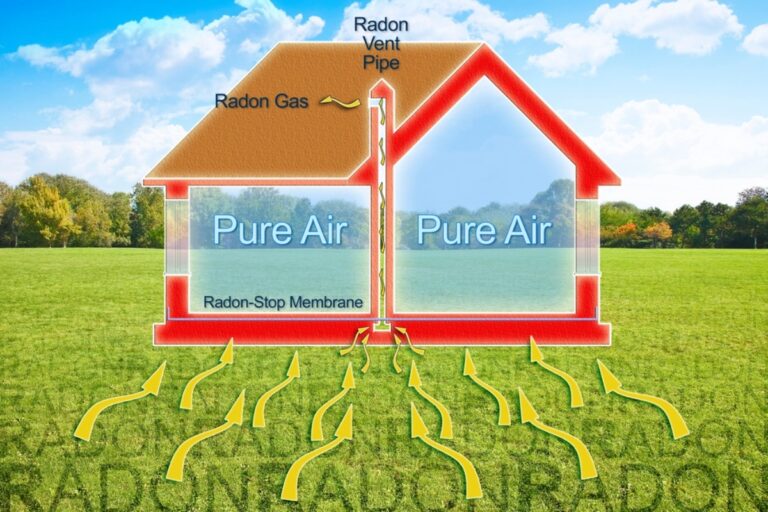
Radon gas is a naturally occurring byproduct of decaying uranium in soil and rock. It can seep into buildings through cracks in foundations, floor drains, and other openings, accumulating to dangerous levels. Prolonged exposure to elevated radon levels is the second leading cause of lung cancer after smoking, according to the EPA. This makes understanding and addressing radon not just a compliance issue, but a fundamental aspect of safeguarding human health in any indoor space, whether it’s a home or a commercial building. As experts in environmental mitigation, we always emphasize that the ultimate purpose of any such system is to be protective of human health, and testing is the vital first step.
Navigating Radon Testing Options: Short-Term vs. Long-Term vs. Continuous
When it comes to assessing radon levels, you have several methods, each with its own advantages and ideal applications. Choosing the right test depends on your goals, the urgency of the situation, and the level of accuracy required for your unique situation.
Short-Term Radon Tests: A Quick Snapshot
Short-term radon tests are designed to provide a rapid assessment of radon levels over a period ranging from 2 to 90 days. These are often the first step in radon detection due to their speed and affordability.
- How They Work:
- Activated Charcoal Canisters/Detectors: These devices contain activated charcoal that absorbs radon gas from the air. After the testing period (typically 2-7 days), the canister is sealed and sent to a lab for analysis.
- Alpha Track Detectors: These passive devices contain a special plastic film that records tiny tracks left by alpha particles emitted during radon decay. They are usually deployed for 3-7 days and then analyzed by a lab.
- Electret Ion Chamber Detectors: These use a charged disk (electret) that collects ions produced by radon decay. The voltage drop on the electret is measured to determine radon concentration. These can be deployed for 2-7 days.
- How Long Radon Tests Take (Short-Term): Typically 2 to 7 days, though some can extend up to 90 days.
- When to Use Them: Short-term tests are excellent for initial screening, real estate transactions where quick results are needed, or post-mitigation checks to confirm system effectiveness.
- Accuracy Considerations: While convenient, short-term tests offer a snapshot. Radon levels can fluctuate significantly day-to-day and season-to-season due to factors like weather, ventilation, and building occupancy. A single short-term test might not fully represent the average annual radon concentration.
Long-Term Radon Tests: A Comprehensive Picture
Long-term radon tests provide a more accurate representation of average radon levels because they account for daily and seasonal fluctuations.
- How They Work:
- Alpha Track Detectors: Similar to their short-term counterparts, but designed for longer deployment. The plastic film records alpha particle tracks over an extended period.
- How Long Radon Tests Take (Long-Term): These tests typically run for 91 days up to one year.
- When to Use Them: Long-term tests are recommended for a more definitive assessment of radon risk, especially if initial short-term tests were high or if you want to understand the true average exposure for occupants over time. They are ideal for confirming the need for mitigation or verifying the long-term performance of a mitigation system.
- Accuracy Considerations: Long-term tests offer superior accuracy in determining the average radon concentration, making them the preferred method for making informed decisions about mitigation. They smooth out the peaks and valleys of radon fluctuations, providing a more reliable basis for action.
Continuous Radon Monitors (CRMs): Real-Time Data and Insights
Continuous Radon Monitors are electronic devices that provide hourly or even more frequent readings of radon levels.
- How They Work: CRMs use a detection chamber (often a scintillation cell or an ion chamber) to measure radon decay products. They record and store data electronically, often displaying real-time readings.
- How Long Radon Tests Take (Continuous): While they provide continuous data, they are typically deployed for a minimum of 48 hours for reliable results, and often longer for a more comprehensive picture.
- When to Use Them: CRMs are invaluable for diagnostic testing, particularly when trying to pinpoint the source of radon entry or evaluate the effectiveness of ventilation strategies. They are frequently used by professionals during real estate transactions or for forensic consulting to understand radon behavior under various conditions. Their ability to show hourly fluctuations can reveal how building operations (HVAC, open windows) impact radon levels.
- Accuracy Considerations: CRMs offer excellent accuracy and provide a detailed understanding of radon dynamics. They are often calibrated regularly to ensure precision.
Interpreting Your Radon Test Results
Regardless of the method chosen, the goal is to compare your test results against action levels set by regulatory bodies. The EPA recommends taking action to reduce radon if the average level is 4 picocuries per liter (pCi/L) or higher. Many state and local guidelines align with or even recommend action at lower levels, such as 2 pCi/L.
If your test reveals elevated radon levels, it’s a clear signal that a protective vapor intrusion mitigation system is needed. Addressing radon effectively requires a bespoke, site-specific approach. Every building is unique, with its own construction, soil conditions, and ventilation patterns. A cookie-cutter solution rarely achieves optimal results.
Working with professionals who can diagnose your unique situation, design a tailor-made mitigation system, and then monitor its performance ensures that the air your occupants breathe is clean and safe. Our commitment is to provide deeply expert guidance, helping you understand not just the “what” but the “why” behind every recommendation, ensuring your building provides a healthy environment for everyone within its walls.