Radon is a naturally occurring, invisible, and odorless radioactive gas that can seep into homes and buildings, posing a significant health risk. Unfortunately, many misconceptions about radon persist, often leading to a false sense of security or unnecessary anxiety. Understanding the truth about radon is crucial for protecting the health of the people living and working in your buildings. Let’s clear up some common radon myths and shed light on the reality of this environmental concern.
Myth 1: Radon is Rare and Doesn’t Affect My Area
One of the most dangerous radon myths is the belief that it’s a localized problem, or that your specific region, state, or even neighborhood is immune. The truth about radon is far more widespread.
The Truth: Radon is Found in Every State and Can Vary House-to-House
Radon gas comes from the natural breakdown of uranium in soil, rock, and water. Because uranium is present in varying degrees in the earth’s crust everywhere, radon can be found in virtually any geographic location across the United States and indeed, the world. The EPA estimates that nearly 1 in 15 homes in the U.S. has elevated radon levels.
What’s more, radon levels can vary dramatically from one house to the next, even on the same street. This is due to differences in soil composition, foundation types, and how well a house “breathes.” Relying on a neighbor’s test results or general regional data is simply not enough to know if your specific building is affected. This is why testing is the only way to know your building’s specific radon levels.
Myth 2: You’ll Know if You Have Radon – You Can Smell or See It
It’s natural to think that if something is dangerous, you’d be able to detect it with your senses. This common misconception about radon can lead to a dangerous complacency.
The Truth: Radon is Odorless, Colorless, and Tasteless
Radon is an inert gas, meaning it has no detectable properties that our senses can pick up. You can’t smell it, see it, or taste it. This is precisely why it’s so insidious and often referred to as a “silent killer.” The only way to determine if radon is present in your building, and at what levels, is through specialized testing. This lack of sensory detection underscores the importance of proactive testing to ensure the safety of your occupants.
Myth 3: Only Old, Drafty Homes are at Risk for Radon
Many people associate environmental hazards with older buildings or structures that might not be as well-sealed. This leads to the mistaken belief that newer, tightly constructed homes are safe from radon.
The Truth: New Homes Can Have High Radon Levels, and Sealing Isn’t a Guarantee
While older homes may have more cracks and openings, newer homes can actually be more susceptible to radon buildup due to their tighter construction. Modern energy-efficient building practices often result in less air exchange with the outside, which can trap radon inside. The key factor is the contact a building’s foundation has with the soil, not necessarily its age or perceived draftiness.
Furthermore, simply sealing cracks in the foundation, while a good practice for general home maintenance, is not an effective standalone solution for mitigating elevated radon levels. Radon can enter through microscopic pores in concrete, drain tile openings, sumps, and other pathways that are difficult to fully seal. A comprehensive mitigation system is typically required for effective control.
Myth 4: Radon Exposure Isn’t That Big of a Deal – It’s a Minor Risk
When faced with an invisible threat, it’s easy to downplay its potential impact, especially if you don’t immediately feel its effects. This is a particularly dangerous radon myth.
The Truth: Radon is the Second Leading Cause of Lung Cancer
The scientific consensus is clear: radon exposure is a serious health risk. The U.S. Environmental Protection Agency (EPA) and the Surgeon General’s Office have identified radon as the second leading cause of lung cancer in the United States, responsible for an estimated 21,000 lung cancer deaths each year. For non-smokers, it is the leading cause.
The risk from radon exposure is cumulative, meaning that prolonged exposure to even moderate levels increases your risk over time. This is not a risk to be taken lightly, especially when considering the health of people who spend significant time in affected buildings, such as residents, employees, or children. Protecting human health is always at the forefront of understanding and addressing environmental concerns like radon.
Myth 5: Testing for Radon is Complicated, Expensive, and Disruptive
Concerns about the hassle or cost of testing can deter people from taking the necessary steps to assess their radon risk.
The Truth: Radon Testing is Simple, Affordable, and Non-Intrusive
Testing for radon is surprisingly straightforward and can be done with minimal disruption. Short-term test kits, which are generally inexpensive, can provide results in as little as 2-7 days. These kits are readily available online or at hardware stores and involve placing a small device in the lowest livable area of your building for a specified period and then sending it to a lab for analysis.
For more definitive results, or for commercial and multifamily properties, professional testing by a qualified radon measurement specialist is recommended. These professionals can conduct accurate tests and provide detailed reports. The small investment in testing pales in comparison to the potential health costs and the peace of mind that comes with knowing your indoor air quality is safe.
Myth 6: If My Home Has High Radon, It’s Impossible to Fix
Discovering elevated radon levels can understandably be alarming, leading some to believe their property is permanently compromised.
The Truth: Elevated Radon Levels Can Almost Always Be Successfully Mitigated
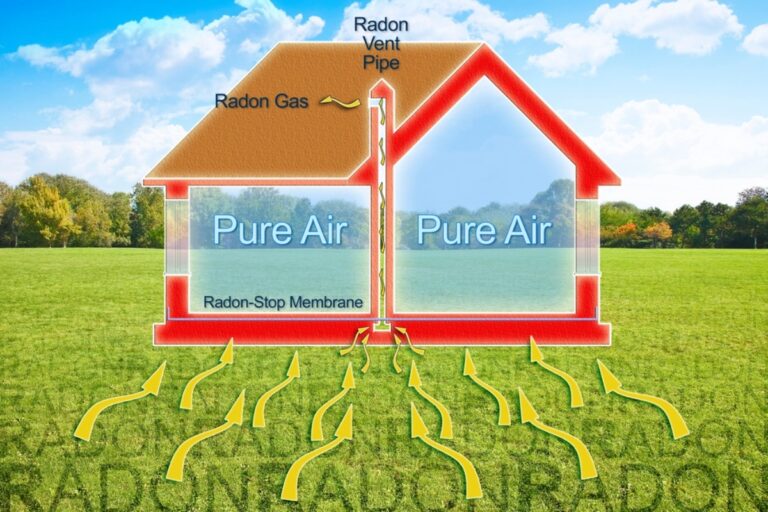
This is perhaps one of the most reassuring truths about radon. If testing reveals elevated levels, effective and proven mitigation techniques are available. The most common and reliable method is Sub-Slab Depressurization (SSD), which involves installing a vent pipe system and a fan to draw radon from beneath the building and safely vent it outside above the roofline.
These systems are designed to be highly effective, often reducing radon levels by up to 99%. A professional mitigation system is a tailor-made solution, designed to address the specific characteristics of your building and its underlying soil conditions. The goal is always to create clean, safe environments for your occupants.
Taking Informed Action for a Healthier Environment
Understanding the truth about radon myths is the first step toward making informed decisions for the health and safety of your building’s occupants. Radon is a real and significant threat, but it is also a manageable one. By testing your property and, if necessary, installing an appropriate mitigation system, you are taking proactive steps to protect the people within your walls from this invisible hazard. The expertise exists to design and implement site-specific solutions that effectively reduce radon levels, ensuring a healthier indoor environment for everyone.