When it comes to assessing indoor air quality, particularly for a colorless, odorless, and radioactive gas like radon, understanding the measurements is paramount. So, what is radon measured in? Radon gas concentrations in the air are primarily measured in picocuries per liter (pCi/L). This unit might seem technical, but it’s the key indicator of potential health risk in your home or building, directly reflecting the amount of radon present and its radioactive decay rate. Deciphering what pCi/L means is the first step toward creating a clean, safe environment for your occupants.
The Basics of pCi/L: What Does It Really Mean?
A picocurie (pCi) is a unit of radioactivity, specifically representing 0.037 nuclear disintegrations per second. When we talk about pCi/L, we’re measuring the number of radon atoms that are decaying per second in every liter of air. Each decay releases alpha particles, which can damage lung tissue when inhaled over time, increasing the risk of lung cancer.
The Environmental Protection Agency (EPA) has established an action level of 4.0 pCi/L. This doesn’t mean that levels below 4.0 pCi/L are completely safe, or that levels above it are an immediate crisis. Instead, it signifies the point at which mitigation is strongly recommended due to the elevated long-term health risk. Think of it as a significant threshold where the accumulated effect of radon exposure becomes a serious concern for the people living or working in the building.
The Source of the Danger: Radon’s Radioactive Decay
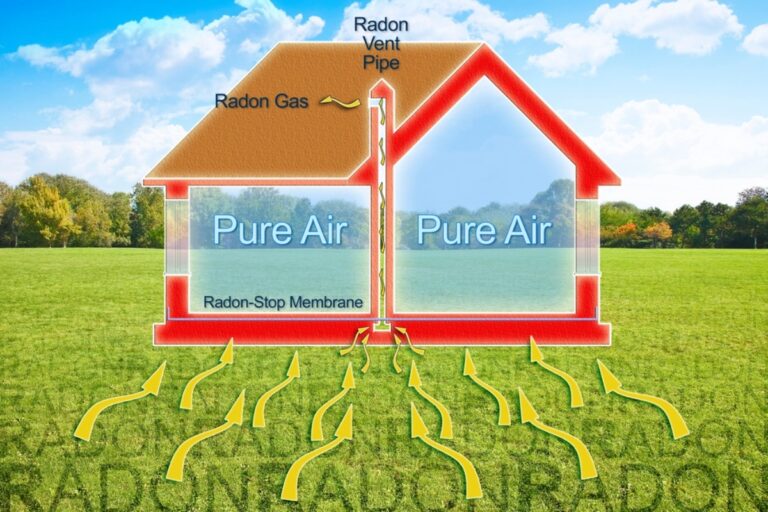
Radon is a naturally occurring radioactive gas that originates from the decay of uranium in soil and rock. This gas can seep into buildings through cracks in foundations, floor-wall joints, and other openings. Once inside, it can accumulate to dangerous levels. The pCi/L reading quantifies this accumulation, giving you a tangible number to assess the invisible threat. It’s not just about the presence of radon, but the rate at which its radioactive particles are being emitted into the air your occupants breathe.
Interpreting Radon Levels and Associated Risks
Understanding your specific pCi/L reading is crucial for making informed decisions about protecting human health. It’s not about causing alarm, but about providing clarity on a silent threat.
- Below 2.0 pCi/L: While no level of radon is considered entirely risk-free, readings consistently below 2.0 pCi/L represent a significantly lower risk. Continuous monitoring is still a good practice, especially if building conditions change or if you’re particularly sensitive to indoor air quality.
- 2.0 pCi/L to 3.9 pCi/L: These levels are considered elevated, and while below the EPA’s action level, professionals often recommend considering mitigation. The EPA advises that even at these levels, action can reduce your family’s risk of lung cancer. The goal is always to reduce radon to the lowest practical level.
- 4.0 pCi/L and Above: At this level, the EPA strongly recommends taking action to reduce radon. The higher the pCi/L reading, the greater the long-term risk to your occupants. Mitigation systems are highly effective in reducing these elevated levels, often bringing them down well below 2.0 pCi/L.
It’s important to remember that these are long-term exposure risks. The danger isn’t from a single exposure, but from breathing in radon-laden air day after day, year after year. This is why consistent, accurate measurement and, if needed, effective mitigation, are so vital for the people in your building.
Factors Influencing Radon Levels
Several factors can influence the pCi/L reading in a building, making accurate diagnostics essential for a bespoke solution:
- Geology of the Area: Some regions have higher natural uranium deposits in the soil, leading to higher radon potential.
- Soil Permeability: Looser, more porous soil allows radon to move more easily into buildings.
- Building Construction: Foundation type (slab-on-grade, crawl space, basement), cracks, and openings can all impact radon entry.
- Ventilation: Poor ventilation can trap radon inside, allowing it to accumulate.
- Weather Conditions: Changes in atmospheric pressure and temperature can affect how radon is drawn into a building.
Because of these variables, every building’s situation is unique, and a one-size-fits-all approach to testing or mitigation is rarely effective.
The Importance of Accurate Radon Diagnostics
Accurate radon testing is the bedrock of effective mitigation. Without reliable pCi/L readings, it’s impossible to truly understand the threat or design a system that effectively protects human health. Both short-term (2-90 days) and long-term (over 90 days) tests are available, each offering different insights. Long-term tests generally provide a more accurate picture of average radon levels over time, which is crucial given that radon concentrations can fluctuate daily and seasonally.
When conducting tests, it’s vital to follow established protocols, such as those recommended by the EPA and ANSI/AARST standards. This includes proper placement of testing devices, maintaining closed-house conditions, and ensuring the test duration is appropriate for the desired outcome. Incorrect testing can lead to misleading pCi/L readings, potentially leaving occupants unknowingly exposed or leading to unnecessary mitigation efforts.
Ultimately, the purpose of understanding what is radon measured in and what pCi/L meaning entails is to ensure the well-being of the people who occupy your properties. By accurately diagnosing radon levels and taking appropriate action when necessary, you contribute significantly to creating clean, safe environments. Industry professionals with decades of experience in environmental mitigation can guide you through this process, from thorough diagnostics to the implementation of tailor-made solutions, ensuring your building’s occupants are protected.