You might wonder, do radon levels change over time? The short answer is yes, radon levels are not static; they fluctuate significantly throughout the year and even day-to-day. While radon is a continuous concern, certain conditions—like seasonal changes, ventilation patterns, and pressure differentials—can elevate its presence in your home or building. Understanding these dynamics is crucial because, ultimately, the purpose of any vapor intrusion mitigation system is to be protective of human health. Recognizing when levels are likely to be highest helps you appreciate the need for consistent testing and effective, year-round mitigation strategies to ensure the air your occupants breathe is clean and safe.
The Seasonal Dance of Radon: What Time of Year is Radon Highest?
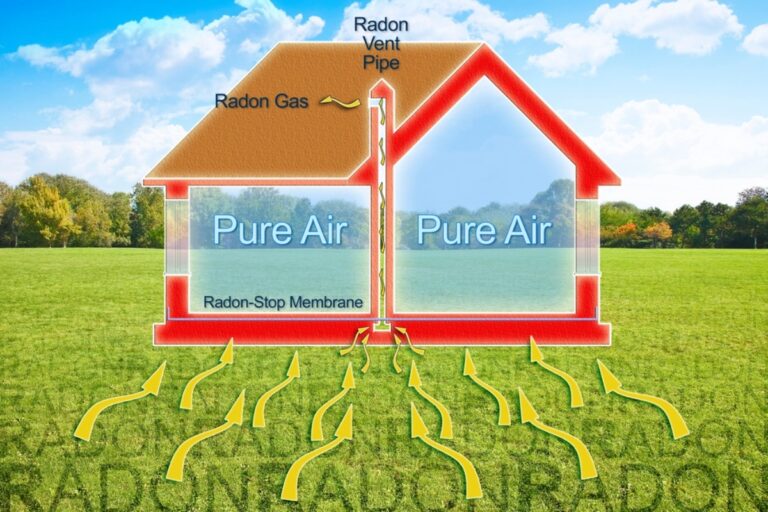
Radon, an odorless, colorless, and tasteless radioactive gas, originates from the natural decay of uranium in soil and rock. It enters buildings through cracks in foundations, floor slabs, and other openings. Its movement is heavily influenced by the environment, making some seasons more prone to higher indoor concentrations than others. So, what time of year is radon highest? Generally, radon levels tend to be highest during the colder months of fall and winter.
Winter: The Peak Season for Radon
During winter, several factors converge to create a “perfect storm” for elevated radon levels:
- Closed-Up Buildings: To conserve heat, buildings are typically sealed more tightly in winter. This reduces natural ventilation, trapping radon indoors and allowing it to accumulate to higher concentrations.
- Stack Effect: The “stack effect” is more pronounced in colder weather. Warm air inside the building rises and escapes through upper floors, creating a lower pressure zone at the foundation. This negative pressure acts like a vacuum, drawing more radon gas from the soil into the building.
- Frozen Ground: While frozen ground might seem like it would block radon, it can actually concentrate its entry. Frozen soil and snow cover impede the natural release of radon from the ground into the atmosphere, effectively channeling more of it towards the path of least resistance – your building’s foundation.
Summer: Not Without Its Risks
While winter often sees the highest peaks, summer doesn’t guarantee low radon. Air conditioning use can also contribute to the stack effect, and if windows are predominantly closed, ventilation remains limited. Heavy rainfall can also saturate the soil, temporarily blocking some radon pathways but potentially increasing pressure in others.
The Role of Ventilation and Pressure Differences
Beyond seasonal shifts, the way a building breathes – or doesn’t – plays a critical role in indoor radon concentrations.
Natural Ventilation vs. Mechanical Systems
Buildings with poor natural ventilation are inherently more susceptible to radon buildup. Opening windows and doors can temporarily reduce levels, but this isn’t a sustainable or energy-efficient long-term solution. Mechanical ventilation systems, when properly designed and operated, can help manage indoor air quality, but they need to be considered within the broader context of radon mitigation.
Understanding Pressure Differentials
The difference in air pressure between the inside of a building and the surrounding soil is a primary driver of radon entry. Any factor that creates negative pressure within a building relative to the soil can draw radon in. This includes:
- HVAC Systems: Operating exhaust fans (in bathrooms, kitchens), clothes dryers, and central vacuum systems can depressurize a building.
- Furnace Operation: Combustion appliances can also contribute to negative pressure.
- Wind: Strong winds blowing over a building can create pressure differences.
These pressure differentials are constantly changing, which is another reason do radon levels change over time is such an important question. Even minor changes in building operation can impact radon entry rates.
Why Consistent Testing and Monitoring Are Essential
Given these fluctuations, relying on a single radon test might not provide a full picture of your building’s long-term risk. This is why a human health-centered approach to radon management emphasizes consistency.
- Long-Term Testing: EPA and industry best practices (like ANSI/AARST standards) recommend long-term radon tests (90 days or more) to capture seasonal variations and provide a more accurate average exposure level.
- Continuous Monitoring: For buildings with known radon issues or post-mitigation, continuous radon monitors (CRMs) offer real-time data, allowing you to track fluctuations and ensure your mitigation system is performing effectively year-round. This is especially valuable for commercial properties and multi-family residences where human health protection is paramount.
- Professional Expertise: Designing an effective mitigation strategy requires deep expertise. Every building is unique, with its own foundation type, soil characteristics, and usage patterns. A “tailor-made” solution, designed by licensed professionals, accounts for these site-specific variables to ensure lasting protection.
At the core, whether it’s a home or a commercial facility, the goal remains the same: to create clean, safe environments for the people in your building. Understanding when radon levels change over time and the factors influencing these shifts empowers you to make informed decisions about protecting your occupants’ health. Professionals with decades of experience in vapor intrusion and radon mitigation can help you diagnose your unique situation, design a robust solution, and implement ongoing monitoring to safeguard everyone within your walls.