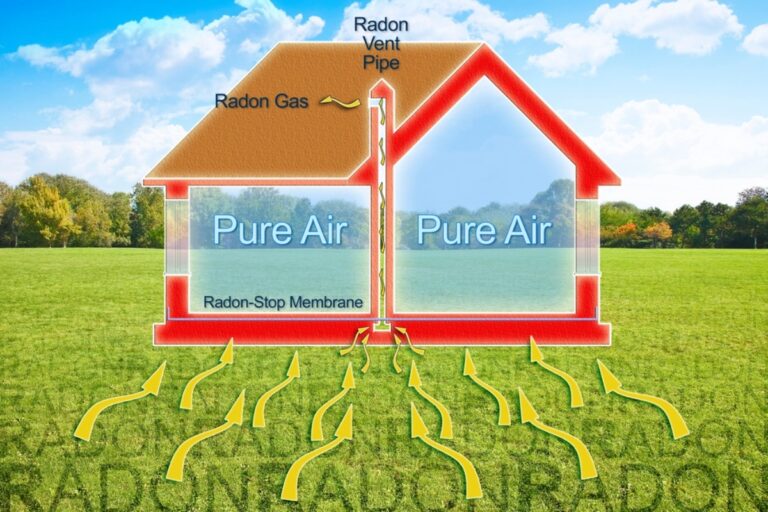
When we talk about indoor air quality and potential health risks, radon often comes to mind, especially concerning human occupants. But what about our beloved furry family members? Symptoms of radon exposure in dogs and other pets, while not always immediately obvious, are a critical concern because radon affects mammals in similar ways, primarily through lung tissue damage. Understanding how radon can impact your pets is essential for ensuring a truly safe and healthy environment for every member of your household, four-legged ones included.
Understanding Radon: An Invisible Threat to All Occupants
Radon is a naturally occurring, odorless, colorless, and tasteless radioactive gas that seeps into buildings from the soil. It’s the byproduct of uranium decay and can accumulate to dangerous levels indoors, posing a significant health risk. While humans are often the focus of radon discussions, the biological mechanisms by which radon and its decay products cause harm are not species-specific. When inhaled, these radioactive particles can damage the cells lining the lungs, leading to an increased risk of lung cancer over time. This fundamental understanding underscores why pets, who spend virtually all their time indoors and often closer to the floor where radon levels can be higher, are equally susceptible.
How Radon Affects Mammalian Lungs
The primary danger from radon comes not from the gas itself, but from its short-lived decay products. These tiny, electrically charged particles attach to dust and other aerosols in the air. When inhaled, they can become lodged in the delicate tissues of the lungs and airways. As these particles continue to decay, they emit alpha radiation, which is highly energetic and can cause cellular damage and DNA mutations. Over prolonged periods, this damage can lead to the development of cancerous cells. For pets, especially those with smaller lung capacities or pre-existing respiratory conditions, this exposure can be particularly detrimental.
Recognizing Potential Radon Exposure in Your Pets
Unlike acute poisoning, radon exposure doesn’t typically manifest with sudden, dramatic symptoms. Instead, the effects are chronic, developing over months or years of continuous exposure. This makes identifying radon poisoning in pets challenging, as the signs often mimic other common illnesses. However, being aware of the potential for radon exposure means you can be more vigilant for subtle changes in your pet’s health.
Common Signs and Symptoms to Watch For
While there are no definitive “radon exposure symptoms” unique to pets, the long-term impact on their respiratory system can lead to a variety of health issues. If your pet is experiencing chronic radon exposure, you might observe:
- Persistent Coughing or Wheezing: Similar to humans, pets exposed to radon may develop a chronic cough that doesn’t resolve with typical treatments. This can indicate irritation and damage to the lung tissue.
- Difficulty Breathing (Dyspnea) or Shortness of Breath: Your pet might seem to struggle for air, breathe rapidly, or show increased effort during respiration, even during light activity.
- Lethargy or Decreased Stamina: A pet that was once energetic might become unusually tired, less interested in play, or easily fatigued. This can be a general sign of illness, but also indicative of compromised lung function.
- Weight Loss and Decreased Appetite: Unexplained weight loss or a significant reduction in appetite can be a symptom of many serious health conditions, including cancer.
- Nasal Discharge or Sneezing (less common but possible): While more often associated with allergies or infections, chronic irritation from inhaled particles could contribute.
- Changes in Behavior: Any unexplained changes in your pet’s normal behavior, such as increased irritability, hiding, or restlessness, warrant veterinary attention.
It’s crucial to remember that these symptoms are non-specific and can point to numerous health problems. If you notice any of these signs in your pet, consult your veterinarian immediately. However, if you also live in an area known for high radon levels or have never tested your home, these pet symptoms should prompt you to test your home for radon as well.
Why Testing Your Home Protects Everyone
The most proactive and effective way to protect your entire household—including your pets—from the dangers of radon is to test your home’s radon levels. Radon levels can vary significantly from house to house, even between adjacent homes, making testing the only way to know if your property has an issue.
The Importance of Comprehensive Radon Testing
A short-term radon test kit is an accessible and affordable first step. These kits are readily available online or at hardware stores and provide a quick snapshot of your home’s radon concentration. If initial short-term tests indicate elevated levels (typically above 4 pCi/L, as recommended by the EPA), follow-up with a long-term test to get a more accurate average reading over several months.
If elevated radon levels are confirmed, professional mitigation is the next critical step. A properly designed and installed vapor intrusion mitigation system (VIMS) can effectively reduce radon concentrations in your home, creating a safer environment for every living being under your roof. The purpose of such systems is always to be protective of human health, and by extension, the health of your beloved pets.
Protecting Your Pet’s Future: A Household Approach
Pets are more than just animals; they are cherished members of our families. Their health and well-being are deeply intertwined with the safety of our shared living spaces. By understanding the potential for symptoms of radon exposure in dogs and other pets, and by taking proactive steps to test and, if necessary, mitigate radon in your home, you’re not just protecting your own health; you’re safeguarding the health and longevity of your entire family.
Industry experts, including those who have contributed to establishing national standards like ANSI/AARST, consistently emphasize that all technical work related to indoor air quality ultimately serves the purpose of creating clean, safe environments for all occupants. This includes your occupants with paws and fur. Prioritizing radon testing is a fundamental step in ensuring your home provides a healthy sanctuary for everyone you love.