When selling a home, discovering elevated radon levels often raises the immediate question: who pays for radon mitigation? While there isn’t a single, universal rule, the cost of radon mitigation is typically a point of negotiation between the buyer and seller. Ultimately, both parties have a shared interest in ensuring a safe living environment, and addressing radon proactively can be a significant value-add rather than a burden, protecting the health of future occupants and the integrity of the property transaction.
Understanding Radon and Its Impact on Home Sales
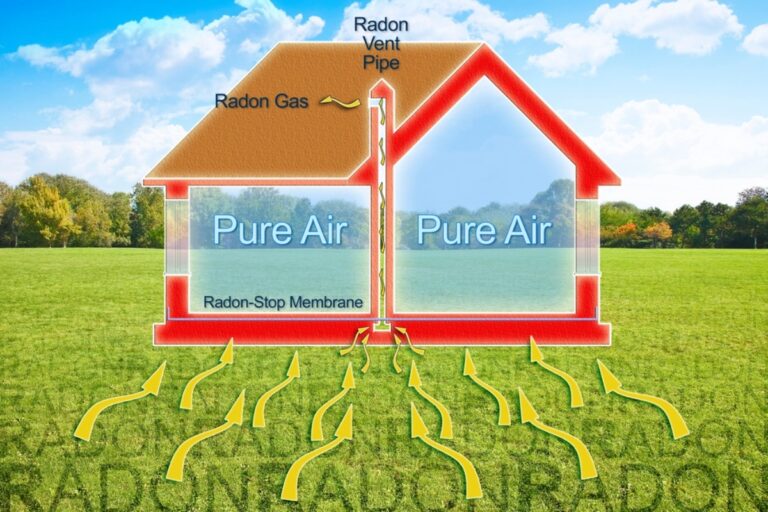
Radon is a naturally occurring, odorless, colorless, and tasteless radioactive gas that can seep into homes from the ground. It’s a serious concern because prolonged exposure is the second leading cause of lung cancer. For anyone involved in a real estate transaction, understanding radon’s risks and mitigation options is crucial. Our core philosophy emphasizes that the purpose of any environmental mitigation system is to be protective of human health, and radon mitigation is a prime example of this in action.
Why Radon Testing is Essential
Before a sale, radon testing is highly recommended, and in some areas, it’s even required. A reliable test provides clear data on indoor radon levels. If levels are at or above the EPA’s action level of 4 pCi/L (picocuries per liter), mitigation is advised. This isn’t just about a transaction; it’s about the well-being of the people who will live in that building.
The Negotiation: Buyer, Seller, or Shared Responsibility?
The cost of radon mitigation, typically ranging from a few hundred to a couple of thousand dollars, is often a small percentage of a home’s total value but carries significant health implications. Here’s how the payment responsibility usually breaks down:
The Seller’s Perspective
From a seller’s standpoint, proactively addressing radon can be a smart move.
- Preventing Deal Breakage: Discovering high radon levels late in the process can cause delays or even scuttle a sale. Addressing it upfront removes a potential hurdle.
- Marketability: A home with documented low radon levels or a newly installed mitigation system can be a more attractive prospect, especially in health-conscious markets. It demonstrates a commitment to providing a clean, safe environment for future occupants.
- Disclosure Requirements: Many states require sellers to disclose known radon issues. Mitigating the problem allows for a clean disclosure.
- Control over the Process: If the seller pays, they can choose the mitigation contractor and oversee the work, ensuring it’s done to their satisfaction by qualified professionals.
The Buyer’s Perspective
Buyers have every right to expect a safe home.
- Health Protection: For buyers, ensuring radon levels are safe is paramount for the health of their family.
- Negotiating Power: If radon is discovered during the inspection period, buyers can negotiate for the seller to pay for mitigation, offer a credit towards closing costs, or reduce the purchase price.
- Peace of Mind: Knowing a professional mitigation system is in place provides peace of mind, protecting their investment and their health.
Shared Solutions and Compromises
Often, the most amicable solution involves a shared approach.
- Credit at Closing: The seller might offer a credit to the buyer at closing to cover the cost of mitigation, allowing the buyer to select their preferred contractor.
- Price Reduction: A mutual agreement to reduce the home’s selling price by the estimated cost of mitigation.
- Seller Installs, Buyer Approves: The seller pays for and installs the system, with the buyer’s approval on the chosen contractor and scope of work. This ensures the issue is resolved before closing.
Why Radon Mitigation is a Value-Add, Not Just an Expense
Thinking of radon mitigation as merely an expense overlooks its significant benefits. It’s an investment in health and property value.
Protecting Your Occupants
At the heart of it, installing a radon mitigation system is about protecting the people in your building. Radon is a silent threat, and mitigation is a proven method to reduce its presence, creating a healthier indoor air environment. This aligns perfectly with our focus on human health-centered solutions.
Enhancing Property Value and Marketability
A home that has been professionally mitigated for radon can be more appealing to potential buyers. It removes a common concern and can be listed as a feature, rather than a defect. This proactive approach can lead to a smoother, faster sale and potentially a better return on investment.
Long-Term Benefits of a Quality System
A properly designed and installed radon mitigation system is durable and effective. It’s a long-term solution that provides ongoing protection. When seeking a mitigation professional, look for those with deep expertise, who have contributed to industry standards like ANSI/AARST, and who offer bespoke, site-specific solutions rather than a one-size-fits-all approach. Your unique situation deserves a tailored solution that ensures clean, safe environments.
Ultimately, while the question of who pays for radon mitigation is a common negotiation point in real estate, the overarching goal should always be to ensure the health and safety of the occupants. Addressing radon is a responsible and valuable step, transforming a potential concern into a clear benefit for everyone involved.