When it comes to the symptoms of radon poisoning, there’s a critical fact we want to share upfront: radon gas doesn’t cause immediate symptoms you can feel or see. Unlike a cold or an allergen, you won’t experience headaches, dizziness, or a sudden cough from inhaling radon. This invisible, odorless, and tasteless gas works silently, and its health impacts only become apparent after years of prolonged exposure, often manifesting as serious respiratory conditions. Understanding this silent threat is the first step in protecting the health of the people in your home or building.
The Silent Threat: Why Radon Has No Early Signs
One of the most challenging aspects of radon is its stealth. It’s a naturally occurring radioactive gas that seeps into homes and buildings from the ground. Because it’s a gas, it easily mixes with the air we breathe. The danger isn’t from a single exposure, but from the cumulative effect of inhaling radioactive particles over many years.
When radon decays, it releases tiny radioactive particles. These particles can get trapped in your lungs as you breathe. Over time, these alpha particles can damage the DNA in your lung tissue, leading to an increased risk of lung cancer. This process is slow, insidious, and doesn’t trigger any immediate physical sensations or early signs that would alert you to its presence. This is why testing is so crucial – it’s the only way to know if radon is a problem in your environment.
Understanding the Long-Term Health Risks of Radon Exposure
While there are no short-term symptoms of radon poisoning, the long-term health risks are significant and well-documented. The primary health concern associated with prolonged radon exposure is lung cancer.
- Lung Cancer: Radon is the second leading cause of lung cancer overall, and the leading cause among non-smokers. The Environmental Protection Agency (EPA) estimates that radon causes about 21,000 lung cancer deaths per year in the United States. The risk increases with higher radon levels and longer exposure times. If you smoke and are exposed to elevated radon levels, your risk of developing lung cancer is even higher.
It’s important to remember that these are not symptoms of a “radon illness” you can feel. Instead, they are the eventual outcome of cellular damage that has occurred silently over decades. This delayed and severe consequence highlights why proactive measures are so vital.
Protecting Your Occupants: The Importance of Testing and Mitigation
Given that you can’t see, smell, or taste radon, and it presents no immediate symptoms of radon poisoning, the only way to truly protect the people in your building is through testing. This is a foundational principle of ensuring clean, safe environments.
Radon Testing: Your First Line of Defense
Testing for radon is simple and relatively inexpensive. You can purchase DIY test kits online or from hardware stores, or you can hire a qualified professional to conduct the testing.
- Short-Term Tests: These tests typically remain in your home for 2 to 90 days. They provide a quick snapshot of radon levels.
- Long-Term Tests: These tests remain in place for more than 90 days, providing a more accurate average of your home’s radon level over time, as radon levels can fluctuate daily and seasonally.
The EPA recommends taking action to reduce radon levels if your home tests at or above 4 picocuries per liter (pCi/L). However, it’s worth noting that no level of radon is considered completely safe, and even levels between 2 pCi/L and 4 pCi/L still pose a risk, prompting many to consider mitigation.
When to Consider Radon Mitigation
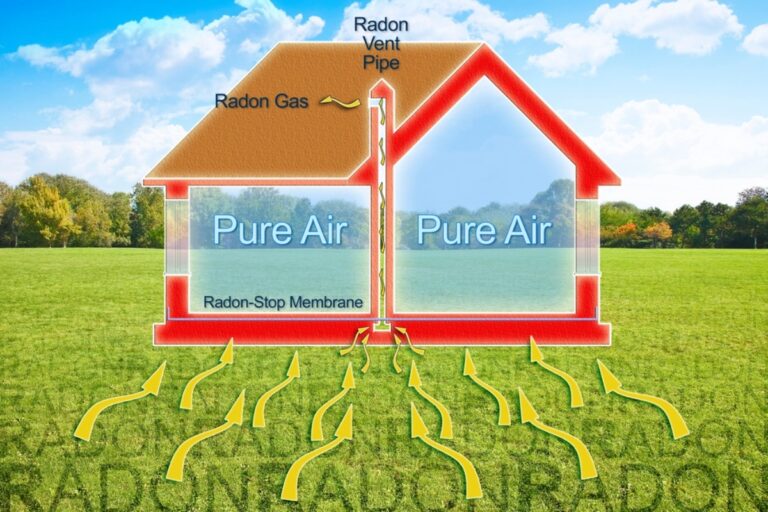
If your home or building tests high for radon, the next step is mitigation. This involves installing a system to reduce radon levels to an acceptable range. A common and highly effective method is sub-slab depressurization, where a vent pipe and fan are used to draw radon gas from beneath the foundation and vent it safely outside above the roofline.
Working with experienced professionals ensures that the mitigation system is designed and installed correctly for your unique situation. Each building has its own site-specific variables, from soil type to foundation design, which influence how radon enters and how it can best be managed. A tailor-made solution is always more effective than a one-size-fits-all approach. Industry experts, often with decades of experience in environmental mitigation, can assess your property, diagnose the specific pathways for radon entry, and design a system that effectively protects your occupants.
Your Role in Creating Clean, Safe Environments
Ultimately, the purpose of any environmental mitigation system, including those for radon, is to be protective of human health. As property owners, developers, or simply concerned individuals, your awareness and proactive steps are invaluable. By understanding that there are no immediate symptoms of radon poisoning and recognizing the long-term risks, you empower yourself to make informed decisions for the well-being of everyone in your care.
For over 30 years, our work in the environmental mitigation industry has been guided by this human health-centered philosophy. We believe in sharing knowledge freely and acting as a trusted partner to help create clean, safe environments. If you have concerns about radon or other indoor air quality issues, remember that expert guidance is available to help you diagnose, design, and implement effective solutions for your building.