A passive radon system is a foundational mitigation approach built into new construction, designed to vent soil gases, including radon, from beneath a building to the outside air without the aid of a fan. While a valuable first step in protecting the people in your buildings, understanding its limitations and when an upgrade to an active system becomes necessary is critical for ensuring truly clean, safe environments. This article will walk you through the mechanics, benefits, and crucial considerations for passive systems, especially in the context of long-term human health protection.
Understanding the Passive Radon System: The Basics
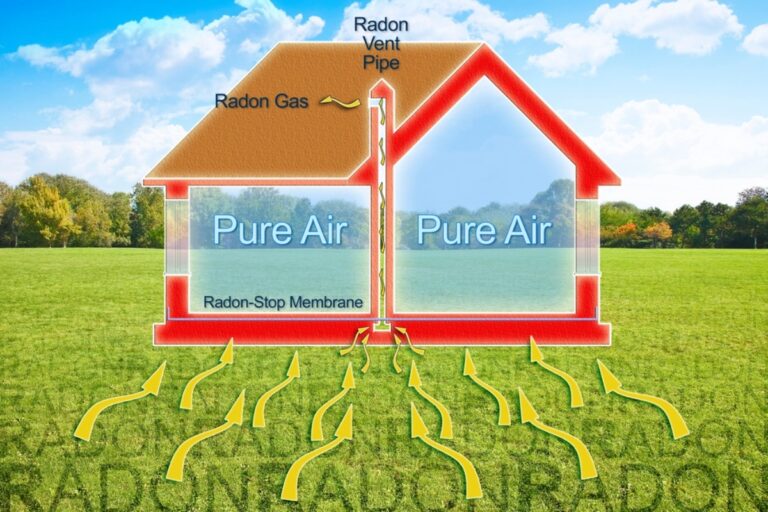
At its core, a passive radon system relies on natural pressure differences and convection to draw radon gas from the soil beneath a building and release it above the roofline. It’s an integral part of the building’s structure, typically installed during the construction phase, making it a cost-effective initial approach.
How a Passive System Works
The system generally consists of:
- A gas-permeable layer: Often a layer of gravel or a specialized mat laid beneath the concrete slab, allowing radon to move freely.
- A vapor barrier: Placed over the gas-permeable layer to help prevent soil gases from entering the building and direct them towards the vent pipe.
- A vent pipe: A continuous pipe, usually 3 to 4 inches in diameter, extending from beneath the slab, through conditioned space, and out through the roof.
- Sealing and caulking: All slab penetrations, cracks, and floor-to-wall joints are sealed to reduce radon entry points.
The “passive” aspect comes from its reliance on natural forces. The stack effect, caused by warmer air rising, helps create a slight vacuum in the pipe, drawing the cooler, radon-laden soil gas upwards. Wind blowing over the top of the vent pipe can also create a low-pressure zone, further enhancing the draw.
Passive vs. Active Radon Systems: A Critical Distinction
While a passive system lays the groundwork for radon control, it’s essential to understand its differences from an active system, particularly concerning effectiveness and reliability in protecting your occupants.
The Role of an Active System
An active radon system, often called an active sub-slab depressurization (ASD) system, takes the passive foundation and enhances it with mechanical assistance. The key difference is the addition of an in-line fan, typically installed in the attic or outside the conditioned space, to create a continuous, strong vacuum beneath the building’s slab.
This fan actively pulls radon from the soil gas collection matting and exhausts it safely outside, ensuring a consistent and reliable depressurization. This active draw overcomes many of the limitations of passive systems, such as fluctuating weather conditions and varying radon concentrations.
When Passive Isn’t Enough: The Limitations
While a passive system is a good starting point, particularly for new construction, it often falls short of providing adequate long-term protection, especially in areas with elevated radon levels. Here’s why:
- Reliance on Natural Forces: Passive systems depend on temperature differentials and wind, which are inconsistent. On calm days or when indoor and outdoor temperatures are similar, the “draw” can be significantly reduced or even reversed.
- Variable Effectiveness: The effectiveness of a passive system can vary greatly depending on soil type, foundation design, and the concentration of radon in the underlying soil. What works in one location may be insufficient in another, even within the same development.
- No Guarantee of Mitigation: Unlike an active system, which is designed to achieve a specific level of sub-slab depressurization and radon reduction, a passive system offers no guarantee that it will reduce indoor radon levels to acceptable standards (e.g., below the EPA action level of 4 pCi/L).
- Uncertainty for Occupant Health: If you’re building homes or commercial spaces, your primary goal is to provide a safe environment for the people who will live and work there. Relying solely on a passive system leaves too much to chance regarding their long-term health.
The Inevitable Upgrade: When to Convert to Active
For new home builders, architects, and property owners, the decision to install a passive system as a “radon-ready” feature is commendable. However, it’s crucial to understand that this is often just the first step. Testing for radon after construction and before occupancy is paramount.
If post-construction radon testing reveals levels above the EPA action level of 4 pCi/L, an upgrade from a passive to an active system is not just recommended—it’s often necessary to safeguard the health of your occupants.
The Upgrade Process
Converting a passive system to an active one is typically straightforward because the vent pipe and sub-slab depressurization elements are already in place. The process usually involves:
- Installing an in-line fan: This fan is spliced into the existing vent pipe, usually in an unconditioned space like an attic, garage, or on the exterior of the building.
- Adding a U-tube manometer: This simple device provides a visual indicator that the fan is operating and creating the necessary vacuum beneath the slab.
- Ensuring proper sealing: Any remaining entry points for radon, such as cracks or utility penetrations, should be re-sealed to maximize the system’s efficiency.
This upgrade transforms a “radon-ready” feature into a fully functional, protective mitigation system.
Ensuring Long-Term Safety for Your Buildings
Your commitment to the health and well-being of the people in your buildings is paramount. While a passive radon system is a responsible choice during new construction, it should be viewed as a readiness measure rather than a definitive solution. Post-construction testing and the willingness to upgrade to an active system when warranted are key to delivering truly clean, safe environments.
Industry experts, drawing on decades of experience and contributions to state and national standards like ANSI/AARST, consistently emphasize the need for active mitigation in cases where radon levels exceed safe thresholds. By understanding the nuances of passive and active systems, you can ensure that the buildings you design, build, and manage offer the highest level of protection for their occupants.