Ensuring your radon mitigation system is functioning as it should is crucial for maintaining a healthy indoor environment for your family. The most direct way to check its operation is by observing the U-tube manometer, a simple gauge typically installed on the system’s vent pipe, which indicates that the fan is creating the necessary suction. Beyond this visual check, regular professional inspections and modern monitoring technologies offer deeper insights into your system’s effectiveness, giving you peace of mind that your home remains safe from this invisible, odorless gas.
Understanding Your Radon Mitigation System’s Core Components
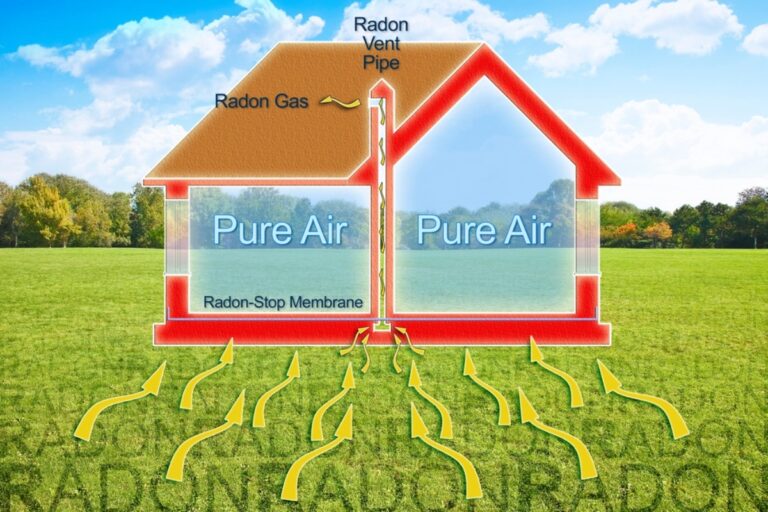
Before we dive into checking its performance, let’s quickly review the key parts of a typical active sub-slab depressurization (ASD) radon mitigation system. Understanding these components helps you grasp how they work together to protect the people in your building from radon gas.
- Vent Pipe: This pipe extends from beneath your home’s foundation (slab or crawl space) up through the roof. It’s the pathway for radon gas to be safely vented outside.
- Radon Fan: Installed in the vent pipe, usually in an attic, garage, or outside, this fan creates a vacuum beneath your home, drawing radon gas out.
- U-Tube Manometer (Pressure Gauge): This is the visual indicator of your fan’s operation. It’s a clear, U-shaped tube filled with a colored liquid, typically oil.
- Suction Pit/Collection Point: Created beneath your foundation, this area allows the fan to effectively draw air and radon from the soil.
- Sealing: Cracks and openings in your foundation are sealed to prevent radon from entering the living space directly and to ensure the fan creates proper suction.
Your First Line of Defense: Daily Visual Checks
For homeowners, the simplest and most frequent check you can perform is a quick look at your system’s manometer. This small, U-shaped gauge provides immediate feedback on whether your fan is running as intended.
How to Read Your Manometer
The manometer is designed to show a pressure differential. When your radon fan is running, it creates a negative pressure (suction) beneath your foundation. This suction pulls the colored liquid in the manometer to uneven levels.
- Fan ON: The liquid levels in the U-tube manometer will be uneven, with one side significantly higher than the other. This indicates that the fan is pulling a vacuum and your system is likely operating correctly.
- Fan OFF/Malfunctioning: If the liquid levels are even, or very close to even, it suggests the fan is not running, or there’s a significant blockage or leak in the system preventing proper suction.
What to do if the manometer shows even levels:
- Check the power: Ensure the fan is plugged in and the circuit breaker hasn’t tripped.
- Listen for the fan: A working fan usually produces a low hum. If you hear nothing, the fan might be off or broken.
- Inspect the pipe: Look for obvious damage or blockages in the visible portions of the vent pipe.
- Contact a professional: If you can’t resolve the issue, it’s time to call a qualified radon mitigation specialist.
Beyond the Manometer: The Importance of Ongoing Radon Testing
While the manometer confirms fan operation, it doesn’t tell you the radon levels inside your home. Regular radon testing is the only way to truly confirm your system’s effectiveness in reducing indoor radon concentrations.
Post-Mitigation Testing
After a radon mitigation system is installed, it’s standard practice to conduct a follow-up radon test (usually 24 hours to 30 days after installation) to ensure the system has successfully lowered radon levels below the EPA action level of 4 pCi/L.
Annual or Biannual Retesting
Radon levels can change over time due to shifts in soil, changes in your home’s foundation, or even weather patterns. Industry experts recommend retesting your home for radon every two years, or even annually, especially if there have been significant structural changes or major weather events. Short-term test kits are readily available at hardware stores or online.
The Value of Professional Radon Mitigation System Inspection
While homeowner checks are valuable, they don’t replace the thorough assessment provided by a qualified professional. Just like your car needs regular servicing, your radon mitigation system benefits from periodic expert attention.
What a Professional Inspection Entails:
- Comprehensive System Review: Professionals will inspect all components, from the suction point to the discharge, checking for proper sealing, pipe integrity, and fan condition.
- Performance Verification: Using specialized equipment, they can measure the actual pressure differential across the slab and airflow, ensuring the system is effectively depressurizing the sub-slab area.
- Radon Level Measurement: They can conduct professional radon tests using continuous radon monitors for accurate, real-time data.
- Fan Health Check: They’ll assess the fan for unusual noises, vibrations, or signs of wear that could indicate impending failure.
- Electrical Safety: Checking electrical connections and ensuring they meet local codes is a critical safety component.
- System Optimization: They might identify opportunities to improve the system’s efficiency or address any potential issues before they become major problems.
When to Schedule a Professional Inspection:
- Every 5-10 years: Even if everything seems fine, a periodic check-up is a wise investment in the health of your home and the people in your building.
- If your manometer shows an issue: If your manometer indicates a problem you can’t solve, call an expert.
- After major home renovations: Especially if changes affect the foundation, HVAC system, or exterior.
- Before selling your home: A professional inspection and clean bill of health for your radon system can be a significant selling point.
The Future of Protection: Continuous Monitoring (Telemetry)
For the ultimate assurance that your radon mitigation system is consistently protecting your home, advanced solutions like continuous, telemetric monitoring are becoming increasingly popular. Imagine having a system that constantly watches over your indoor air quality and system performance, alerting you and a professional team if anything goes awry.
These sophisticated systems utilize sensors that continuously measure radon levels and system operational parameters. This data is then transmitted to a secure platform, allowing homeowners and mitigation specialists to monitor performance remotely. If a fan fails or radon levels begin to rise, an alert is sent, enabling a rapid response to maintain a clean, safe environment for your occupants. This proactive approach offers unparalleled peace of mind, ensuring your system is always working to protect the people in your building.
Protecting the health of your family from radon is a continuous effort. By understanding how to perform basic checks, committing to regular testing, and leveraging professional inspections and advanced monitoring, you can be confident that your radon mitigation system is doing its vital job, creating a truly clean and safe environment in your home.